
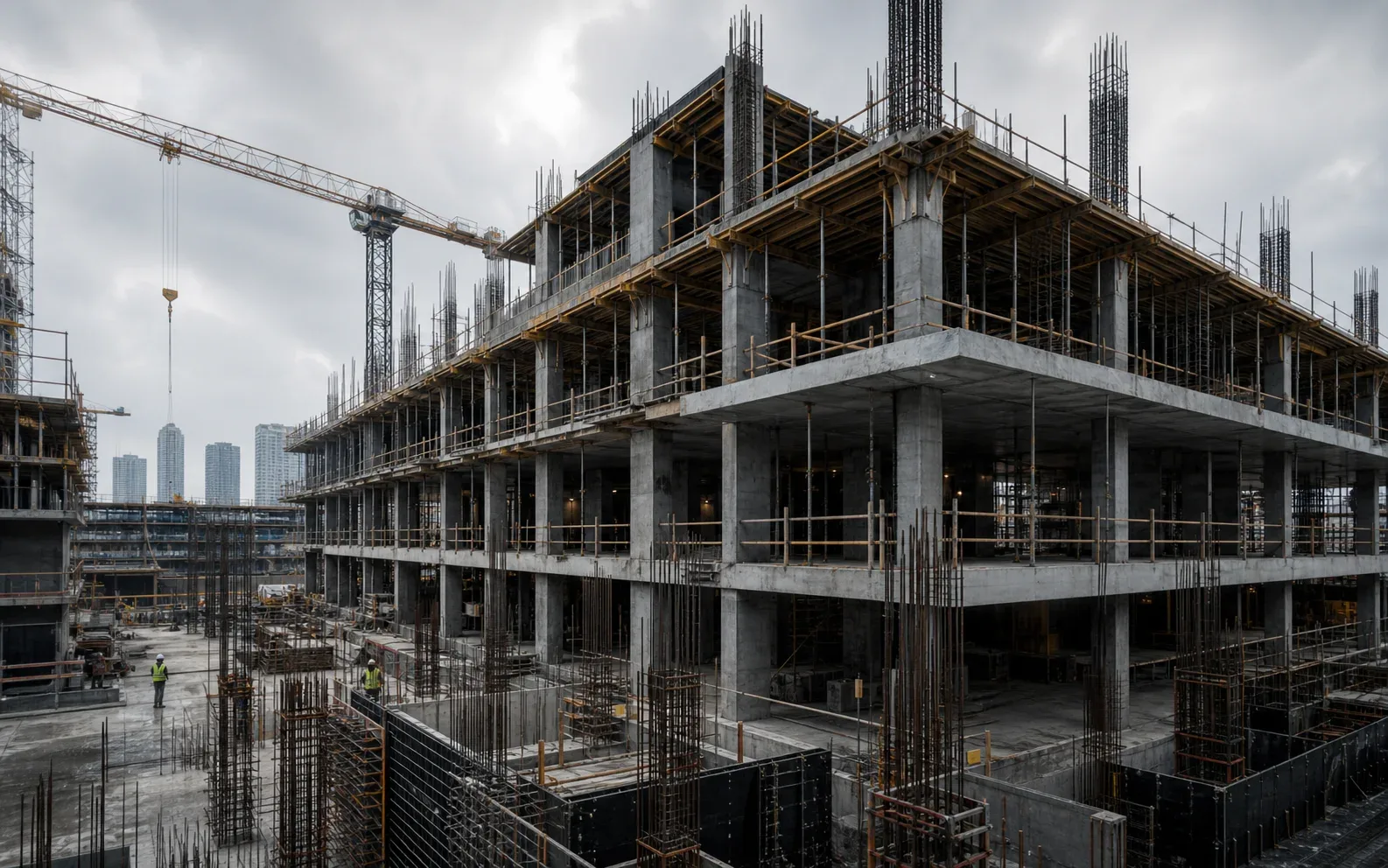
Construction quality is not a final inspection performed after the work is complete. It is a system that begins with clear requirements and continues through material approvals, method statements, staged inspections, and documentation. Managing quality early reduces rework and protects both schedule and budget.
Turn specifications into an actionable plan
Quality management starts with reviewing drawings, specifications, and contracts, then defining inspection points, acceptance criteria, and responsibilities. Site teams should know what will be inspected, when it will happen, and which record is required to close each activity.
Approve materials before they reach site
Approval includes checking technical data, samples, and test certificates against project requirements. Procurement and storage must also be organized to prevent moisture, breakage, or changes in material performance before use.
- Maintain a clear register of approved materials and samples.
- Inspect deliveries and connect them to purchase records.
- Store each material according to its properties and manufacturer guidance.
Build mock-ups before repeating work
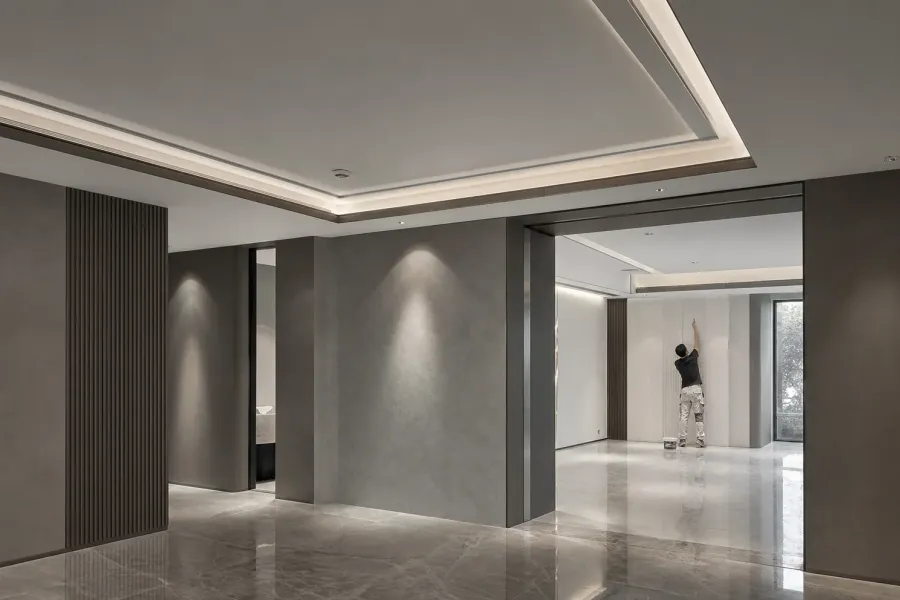
A mock-up for a repeated element—such as a façade bay, room, or finishing detail—establishes the expected quality level and resolves interfaces before work is repeated. It becomes a shared reference for the contractor, consultant, and client.
Make inspection part of the workflow
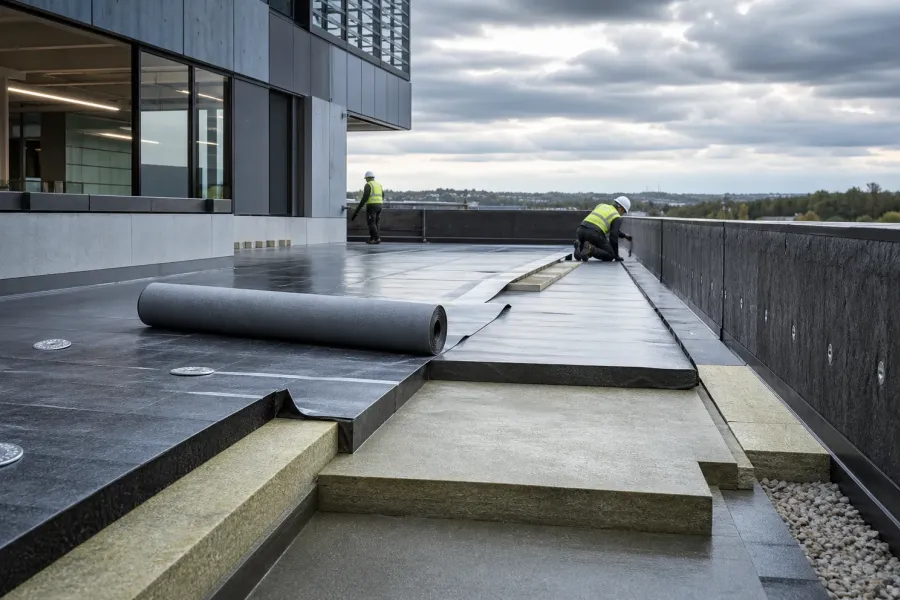
Work should be inspected at the right time and before it is concealed. Controls cover dimensions, levels, reinforcement, concrete, waterproofing, services, and finishes, with findings documented and closed before the next stage begins.
The best quality system prevents errors first, then detects any deviation at the earliest possible point.
Analyze issues instead of repeating them
When a nonconformity appears, identify the root cause rather than repairing only the visible symptom. The cause may be missing information, an incorrect sequence, unsuitable material, or a training need. A sound corrective action prevents recurrence elsewhere in the project.
Close with a complete handover file
Handover includes system tests, as-built drawings, material certificates, warranties, and operation and maintenance manuals. This record preserves project knowledge and helps the owner operate the building efficiently.
OMRIVA and Lamsat Asal integrate quality management with planning and execution because real delivery is measured not only by completing work, but by consistent performance, operability, and durability.