
Successful finishing does not begin with choosing a paint color. It begins with a clear plan connecting design decisions to the budget, schedule, and coordination of architectural, electrical, and mechanical works. Every sound early decision reduces later changes and protects the quality of the final result.
Start with coordinated working drawings
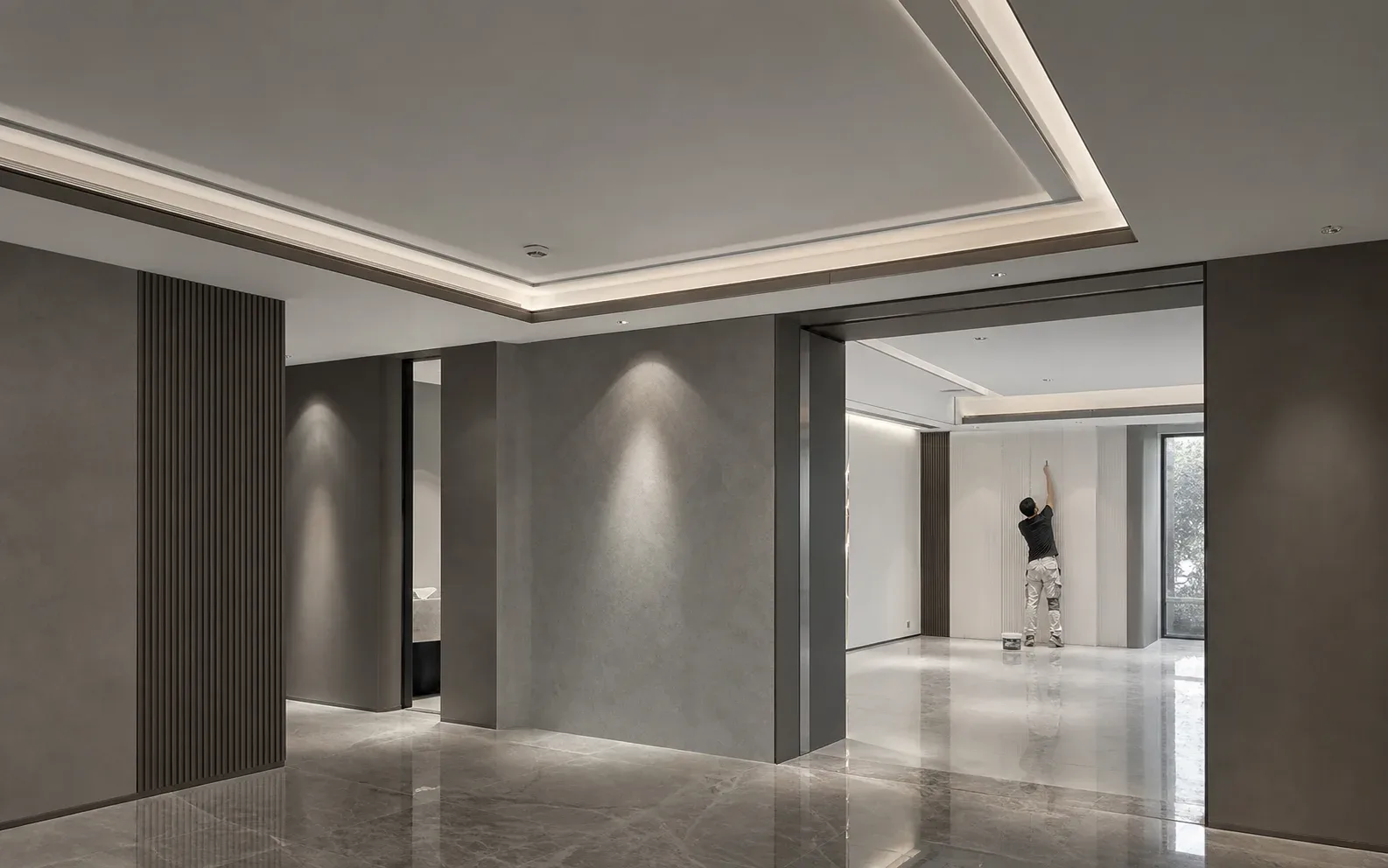
Before site work begins, confirm space layouts, lighting and switch locations, HVAC and plumbing points, ceiling details, floor patterns, and wall finishes. Coordinated drawings prevent clashes between trades and allow quantities to be measured accurately.
- Review architectural, electrical, and mechanical drawings together.
- Define levels and transition points for every finish.
- Approve physical samples before ordering full quantities.
Follow a logical construction sequence
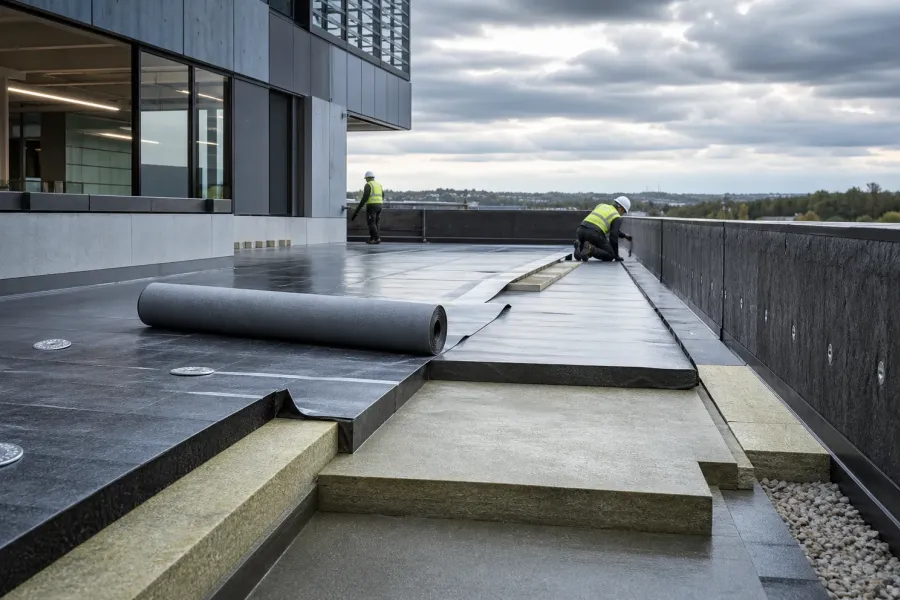
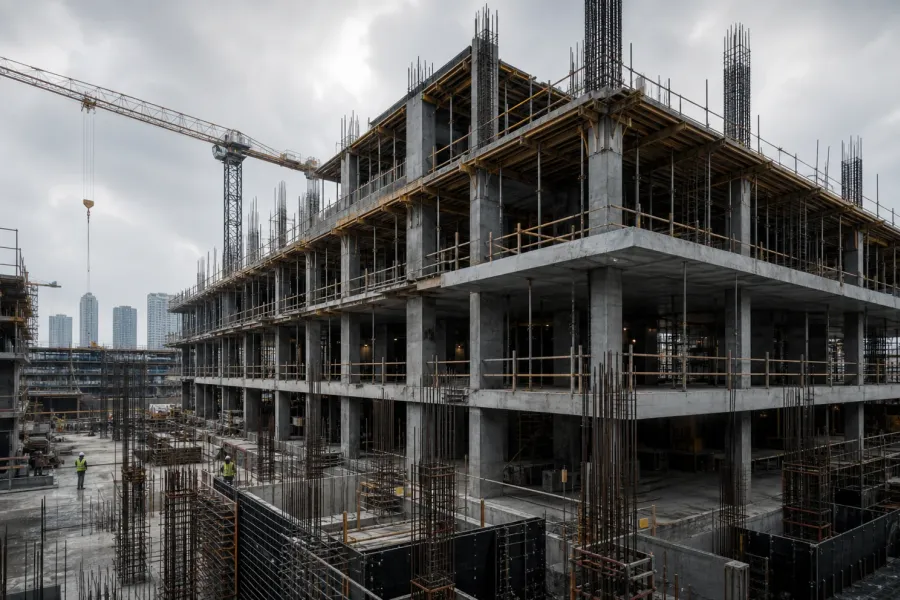
The right sequence protects completed work from damage. A typical process begins with concealed services, followed by closing walls and ceilings, preparing surfaces, installing floors and wall finishes, and completing joinery, fixtures, and final paint coats.
Changing concealed services after surfaces are closed increases cost and affects the schedule, which makes pre-closure inspections an essential control point.
Select materials for their real use
Appearance alone is not enough. Each material must suit moisture levels, traffic, cleaning methods, and maintenance needs. Entrances and corridors require durable, slip-resistant finishes, while wet areas need a complete waterproofing system before visible finishes are installed.
Inspect quality at every stage
Quality checks should not wait until project completion. Use an inspection checklist for each trade, covering surface alignment, joint consistency, corners, paint finish, fixture installation, and the operation of electrical and mechanical systems.
Handover begins before the final day
Build the snag list progressively, close outstanding items, clean the spaces, and test all fixtures before the final inspection. Material data, warranties, and maintenance instructions should also be delivered to preserve the project’s quality during operation.
At OMRIVA and Lamsat Asal, we connect design, execution, and quality control in one delivery path to protect detail, time, and budget from the first decision through final handover.